

The Importance of Workshop Machine Guards for Safer & Efficient Operations
The Importance of Workshop Machine Guards: Protecting People, Productivity & Profits
A modern workshop—whether in manufacturing, fabrication, engineering, or processing—runs on machines. But with powerful movement and sharp tooling comes unavoidable risk. Every year, thousands of injuries occur due to missing or poorly designed machine guards. These issues not only threaten worker safety but also lead to production downtime, legal penalties, and long-term financial loss.
That’s where Workshop Machine Guards become essential. They create a secure barrier between people and dangerous moving parts, improving overall operational safety and compliance.
At Stallion Guards, we engineer machine guarding systems designed to meet industry standards while boosting productivity. (Internal link suggestion:
https://stallionguards.com/workshop-machine-guards/
What Are Workshop Machine Guards?
Workshop machine guards are protective barriers installed around moving, cutting, rotating, and pressing components of machines. Their primary purpose is to:
-
Prevent accidental contact
-
Contain flying debris
-
Minimize injuries
-
Ensure regulatory compliance
-
Improve operational confidence and workflow
These guards are widely used across CNC machines, lathes, drill presses, grinders, milling machines, presses, and automotive manufacturing units.
Why Machine Guards Matter in Today’s Workshops
1. Protecting Workers from Injury
Unprotected machinery is one of the leading causes of workshop accidents. Machine guards reduce risks related to:
-
Pinching
-
Crushing
-
Cutting
-
Entanglement
-
Flying metal chips
According to OSHA, machine guarding is one of the most frequently cited workplace violations. https://www.osha.gov/machine-guarding)
2. Reducing Downtime & Improving Efficiency
Every accident triggers:
-
Production stops
-
Investigation time
-
Repair or medical costs
Machine guards create a safer workflow, ensuring machines can run continuously and with fewer interruptions.
3. Enhancing Regulatory Compliance
Workshops must follow safety norms outlined by:
-
OSHA (USA)
-
BIS (India)
-
ISO 14120:2015 Machine Guards Standard
Stallion Guards designs solutions aligned with these global standards to help industries stay audit-ready.
4. Protecting Equipment from Damage
Guards don’t just shield workers—they shield the machine itself. By containing debris, sparks, and waste material, they prolong the lifespan of equipment.
Types of Workshop Machine Guards
1. Fixed Guards
Durable, rigid, and permanently attached. Best for rotating and cutting machinery.
(Example: CNC guards by Stallion Guards – internal link: https://stallionguards.com/cnc-machine-guards)
2. Interlocked Guards
Stop the machine automatically when the guard is opened. Ideal for high-risk operations.
3. Adjustable Guards
Can be repositioned depending on the job while still providing safety.
4. Self-Adjusting Guards
Automatically adapt to the material size as it enters a cutting area.
5. Perimeter Guards / Fencing Systems
Used around large industrial machines or robotic setups to prevent unauthorized access.
How Stallion Guards Delivers Superior Machine Guarding Solutions
Stallion Guards focuses on engineering safety products that blend durability, compliance, and user convenience.
Our Key USPs
-
Custom-Fabricated Machine Guards tailored to workshop layout
-
Heavy-duty materials: MS, SS, aluminum frames
-
Transparent polycarbonate viewing panels for visibility
-
Modular & detachable designs for easy maintenance
-
Compliance-ready engineering
-
Fast installation and nationwide support
Explore our complete range of solutions here:
Industries That Benefit from Machine Guards
-
Engineering workshops
-
Automotive manufacturing
-
Food & beverage
-
Pharmaceuticals
-
Fabrication units
-
Heavy industries
-
CNC and machining centers
From small workshops to large-scale factories, machine guarding is essential for every operation where safety and efficiency matter.
Conclusion: Safety is Not an Option—It’s a Requirement
A workshop is only as safe as its weakest guard. Investing in high-quality machine guarding systems protects workers, reduces downtime, ensures compliance, and improves machine lifespan.
Stallion Guards helps industries create safe, efficient, and regulation-compliant workplaces through engineered, reliable, and durable machine guard solutions.
To upgrade your workshop’s safety ecosystem, explore:
https://stallionguards.com

Conveyor Safety: The Most Critical Element in Modern Material Handling & How Stallion Guards Sets a New Benchmark
In any industrial environment—mining, power, cement, manufacturing, or logistics—conveyors are the backbone of material movement. They streamline operations, reduce manual handling, and increase production efficiency. But with increased speed and constant use, they also bring significant safety risks. Issues like entanglement, dust hazards, spillage, equipment failure, and weather exposure can cause costly downtime and worker injuries.
This is where conveyor safety becomes not just a compliance requirement, but a strategic necessity. Implementing the right safety systems ensures worker protection, better equipment performance, and smoother plant operation. At Stallion Guards, we specialize in engineering robust conveyor safety solutions that redefine protection, durability, and operational continuity.
Why Conveyor Safety Should Be a Priority
1. Preventing Worker Injuries
Unprotected conveyor systems are among the leading causes of workplace accidents. Workers may be exposed to moving belts, rotating pulleys, falling materials, and high dust zones. Proper guarding, canopies, and enclosures drastically reduce these risks and create a safer ecosystem.
2. Reducing Downtime & Material Loss
Material spillage, contamination, and blockages can stop production instantly. Effective conveyor safety systems help keep material flow consistent, reduce losses, and enhance productivity.
3. Ensuring Compliance with Global Safety Standards
Conveyor safety is mandated by various regulatory bodies. OSHA and similar authorities provide clear guidelines on guarding and dust control. Implementing safety mechanisms helps industries stay compliant and avoid penalties.
4. Extending the Life of Conveyor Equipment
Well-protected conveyors operate longer and require fewer repairs. Safety systems protect components from rain, heat, wind, debris, and overexposure—directly reducing operational costs.
Common Conveyor Safety Solutions
● Conveyor Guards
These protect workers from contact with moving belts, rollers, and gears. Guarding prevents accidents caused by entanglement or accidental entry into rotating zones.
● Conveyor Canopies
Canopies cover the belt system, offering protection against environmental hazards like heavy rain, direct sunlight, dust storms, and falling materials.
● Enclosures & Covers
Fully enclosed conveyor covers are essential for industries handling fine materials like coal, clinker, grain, and cement. They control dust emissions and maintain product integrity.
● Walkway Barriers & Protection Systems
These limit unauthorized access and keep workers at a safe distance from high-risk conveyor sections.
How Stallion Guards Strengthens Conveyor Safety
Stallion Guards has become a trusted name in conveyor safety solutions across India. Our systems are engineered to withstand industrial conditions while offering maximum protection and long service life. What makes us stand out is not just our product quality—but our understanding of real-world industrial challenges.
Unique Selling Propositions (USPs) of Stallion Guards
1. Heavy-Duty Build for Indian Industrial Conditions
All products are fabricated using high-grade materials that can withstand heat, heavy rainfall, humidity, corrosive environments, and continuous impact. Whether in mines or a cement plant, our solutions do not fail.
2. Custom-Engineered for Every Conveyor Setup
No two conveyor systems are the same. Stallion Guards offers fully customized canopy and guard solutions designed for exact dimensions, belt width, environment, material type, and plant layout.
3. Fast, Hassle-Free Installation
Time is critical in industrial operations. Our canopies and guards are modular, lightweight, and engineered for quick installation. This minimizes downtime and ensures production continues smoothly.
4. Maximum Worker Protection & Dust Control
Our canopy systems provide a clean, controlled environment. This minimizes dust exposure, protects workers from falling materials, and ensures safer walkways and inspection zones.
5. Low Maintenance, Long Service Life
With corrosion-resistant materials, sturdy frames, and weather-proof designs, Stallion Guards products last significantly longer and require minimal upkeep—reducing total cost of ownership.
6. On-Site Assessment & Technical Support
We don’t just sell products—we deliver solutions. Our team conducts site inspections, studies conveyor alignment, and suggests ideal safety systems based on operational needs.
7. Industry-Compliant Safety Design
Our products align with national and international safety recommendations, ensuring regulatory compliance and risk-free operations for clients.
Why Conveyor Safety Should Never Be Compromised
Conveyor accidents can lead to serious injuries, operational delays, production losses, and major financial consequences. A simple investment in safety systems such as guards, canopies, and covers can prevent major issues and boost productivity.
Industrial leaders today focus not only on output but also on long-term sustainability and worker well-being. Conveyor safety is the foundation of both.
Conclusion
Conveyor safety is not just about preventing accidents—it is about enhancing operational efficiency, maintaining material quality, and creating a safe working environment. With decades of engineering excellence, Stallion Guards provides durable, reliable, and highly customized conveyor safety solutions designed for real industrial conditions.
By choosing Stallion Guards, businesses gain stronger protection, longer equipment life, and smoother, uninterrupted production—making safety a long-term asset rather than an expense.
Boosting Industrial Safety & Efficiency with High-Performance Scription and Conveyor Canopies
In today’s fast-paced industrial environment, ensuring efficient and safe material handling is not just an operational requirement—it is a strategic advantage. Among the most important yet often overlooked components in bulk material handling systems are Scription Canopies and Conveyor Canopies. At Stallion Guards, we specialize in high-performance canopy solutions engineered to protect your assets, workforce, and production workflow.
Whether you operate in mining, cement, power generation, agriculture, ports, or construction, investing in durable canopy systems can significantly reduce downtime, enhance safety compliance, and extend the lifespan of your conveyor systems.
What Is a Conveyor Canopy?
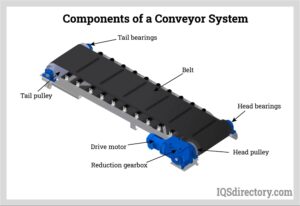
A Conveyor Canopy, often referred to as a conveyor cover or conveyor hood, is a protective enclosure installed over conveyor belts. Its primary function is to safeguard the material being transported and the conveyor belt system from environmental elements like wind, rain, dust, and extreme sunlight.
Conveyor canopies are essential for industries dealing with bulk materials—coal, clinker, aggregates, grain, fertilizers, or ores—where even small disruptions can cause major inefficiencies.
What Is a Scription Canopy?
A Scription Canopy is a specialized protective structure designed for locations where visibility, inspection access, and operational safety are critical. These canopies are often used around high-risk zones, manual loading points, or areas requiring frequent monitoring. They provide shade, shelter, and safety, helping staff work efficiently throughout varying environmental conditions.
Why These Canopies Matter for Industrial Operations
1. Enhanced Worker Safety
Loose debris, dust storms, heavy rains, and harsh sunlight can pose hazards to workers stationed near conveyors. Installing canopy systems helps reduce exposure and creates a controlled, safer environment.
2. Reduced Material Loss
Wind and rain can cause spillage or contamination of transported material. Conveyor canopies minimize losses, ensuring better product quality and tighter process control.
3. Compliance With Environmental and Safety Standards
Industries today face increasing environmental regulations. Canopies help reduce fugitive dust emissions, improving overall site compliance.
Reference standards from authorities like OSHA (https://www.osha.gov) can guide safety practices.
4. Longer Equipment Life
A covered conveyor system is less exposed to weather damage. Components such as belts, rollers, and pulleys last longer, reducing maintenance frequency and cost.
Types of Conveyor Canopies Offered by Stallion Guards
At Stallion Guards, we provide a versatile range of canopy solutions:
● GI Sheet Conveyor Canopies
Lightweight, durable, and corrosion-resistant—ideal for industrial plants.
● Polycarbonate Conveyor Canopies
Provide higher visibility and greater impact resistance.
● Fabric-Based Modular Canopies
Flexible and cost-effective for temporary or portable conveyor systems.
● Fully Enclosed Canopy Systems
Best for areas with strict dust control requirements or hazardous materials.
Scription Canopies for Operational Ease
Scription canopies support workers who need direct access to the material flow or conveyor components. They also assist in manual material loading, inspection, and sampling points.
Key advantages include:
-
Heat and UV protection
-
Weather resistance
-
Improved visibility
-
Reduced exposure to dust and particles
-
Better workflow continuity
For industrial design guidelines, you can also refer to CEMA (Conveyor Equipment Manufacturers Association) standards at https://www.cemanet.org.
Why Choose Stallion Guards?
Stallion Guards is committed to engineering strong, durable, and cost-effective canopy solutions built for Indian environmental conditions. Our designs are customized to client requirements, easy to install, and suitable for both indoor and outdoor applications.
We use high-quality materials, advanced fabrication technology, and adhere to industry-standard safety norms to deliver long-lasting performance.
Conclusion
Scription and Conveyor Canopies are no longer optional—they are essential components for any industry aiming to improve efficiency, protect workers, and reduce maintenance costs.
By choosing Stallion Guards, you invest in safety, durability, and operational excellence. Enhance your site’s protection and ensure smooth, uninterrupted workflow with our premium canopy solutions.
Industrial Machine Guarding: Why Every Manufacturing Unit Needs Advanced Safety Solutions in 2025
In modern manufacturing, workplace safety is no longer optional. As industries adopt automation and high-speed machinery, the risk of accidents increases significantly. Industrial machine guarding systems help protect workers, ensure compliance, and prevent avoidable downtime.
Stallion Guards delivers engineered industrial guarding solutions including machine safety fencing, perimeter barrier guards, belt drive guards, and custom industrial enclosures built for long-term reliability.
What Is Industrial Machine Guarding?
Industrial machine guarding refers to physical barriers and safety structures designed to prevent contact between workers and hazardous machine components. These include safety fences, enclosures, mesh partitions, guard panels, and access-controlled gates.
Machine guarding is aligned with leading global safety frameworks such as:
-
OSHA Machine Guarding Standards: https://www.osha.gov/machine-guarding
-
ISO 14120 Safety Standards for Guards: https://www.iso.org/standard/52906.html
-
CE Machinery Directive: https://single-market-economy.ec.europa.eu/sectors/mechanical-engineering/machinery/machinery-directive_en
Why Machine Guarding Is Essential
1. Prevents Workplace Accidents
Accidents commonly occur from unintentional contact with moving parts, rotating belts, high-speed robotic arms, or cutting tools. Proper guarding ensures that these components remain inaccessible.
2. Minimizes Production Downtime
Machine-related injuries or equipment damage can result in costly production stoppages. Installing durable guarding reduces operational interruptions.
3. Ensures Legal and Regulatory Compliance
OSHA, ISO, and other international safety bodies mandate physical guarding for most industrial machines. Non-compliance can lead to fines, legal liabilities, and loss of certification.
4. Improves Workforce Confidence
A well-protected workspace reassures employees, contributing to better morale and improved productivity.
5. Protects Equipment and Reduces Damage
Guards prevent accidental impacts and operational misuse, extending machine life and lowering maintenance costs.
Industries That Require Machine Guarding
Stallion Guards serves a wide range of industries including:
-
Automotive and EV manufacturing
-
Pharmaceuticals
-
Food and beverage processing
-
Robotics and automation
-
Metal fabrication
-
Packaging units
-
Warehousing and distribution
-
Electrical and electronics manufacturing
Any facility with automated or high-risk machinery benefits from professionally engineered guard systems.
For a detailed overview of industry-specific risks, refer to OSHA’s guidance on industrial hazards:
https://www.osha.gov/SLTC
What Makes Stallion Guards a Preferred Choice
Custom-Engineered Solutions
Every industrial layout is unique. Stallion Guards provides custom-designed guarding systems tailored to specific machine dimensions and production workflows.
High-Grade Material and Durability
All guarding systems are manufactured using powder-coated steel, heavy-duty mesh, and modular frameworks meant for long-term industrial performance.
Modular and Expandable Designs
The modular structure allows quick assembly, easy reconfiguration, and future scalability without major downtime.
Compliance-Ready Construction
Every solution is built in accordance with OSHA, ISO, and industry-recognized safety frameworks.
Fast Production and Pan-India Delivery
Stallion Guards ensures quick manufacturing, accurate engineering, and nationwide delivery support.
Primary Product Range
Perimeter Machine Guarding Systems
Engineered for robotics cells, automated assembly lines, and hazardous operational zones.
Learn more about general machine guarding principles: https://www.osha.gov/machine-guarding/solutions
Safety Fencing for Industrial Machines
Mesh-based industrial safety fences suitable for high-speed, heavy-duty machines.
Belt Drive and Pulley Guards
Designed to enclose rotating belts, shafts, pulleys, and mechanical transmissions, reducing exposure risks.
For additional technical guidelines, refer to OSHA’s belt and pulley safety page:
https://www.osha.gov/laws-regs/regulations/standardnumber/1910/1910.219
Custom Enclosures and Safety Doors
Tailored safety enclosures with optional interlocked access doors for areas requiring frequent supervision.
How to Select the Right Machine Guarding System
1. Conduct a Hazard Assessment
Identify moving parts, pinch points, hot zones, and unintended access areas. Guidance on hazard assessment is available here:
https://www.cdc.gov/niosh/topics
2. Evaluate Worker Interaction
If operators need recurring access, choose guards with interlocked gates or quick-release mechanisms.
3. Ensure Modular Flexibility
Factories expand and evolve; modular guarding supports easy adjustments.
4. Verify Compliance Requirements
Match your guarding solution with OSHA and ISO standards for full regulatory safety.
5. Partner with an Experienced Manufacturer
Choosing a manufacturer with experience in industrial safety engineering ensures reliability and long-term performance.
Conclusion
Machine guarding is a key factor in industrial safety, operational efficiency, and regulatory compliance. Investing in high-quality guarding solutions helps reduce incidents, improves workflow, and strengthens safety culture.
Stallion Guards provides reliable, customized, and compliance-focused machine guarding systems designed for long-term industrial performance. With solutions tailored to diverse manufacturing environments, industries can ensure a safer and more productive workspace.
Belt Drive Safety Guards: Essential Protection for Industrial Equipment and Workforce Safety
any industrial environment where machinery runs continuously, belt drives play a critical role in powering equipment. They are efficient and reliable, but they also present a serious hazard when left exposed. Rotating belts and pulleys can easily catch clothing, tools or even a worker’s hand, which can result in severe injuries. This is why installing belt drive safety guards is not just recommended, it is required under modern industrial safety and compliance standards.
Organizations that prioritize workplace safety understand that prevention is far more cost-effective than dealing with accidents. Belt drive guards are a simple yet powerful safeguard that reduces risk and ensures machines can run without exposing employees to danger.
What Are Belt Drive Safety Guards?
Belt drive safety guards are protective enclosures installed around belts, pulleys and rotating components of mechanical systems. Their purpose is to block direct contact with moving parts while still allowing maintenance access when necessary. These guards can be made from materials like steel, aluminum, acrylic or composite mesh based on the environment and application.
The result is a barrier that keeps workers safe without hindering machine performance or airflow.
Why Belt Drive Guards Are Critical for Safety Compliance
Whether you operate a manufacturing plant, a warehouse, a refinery or a processing unit, regulatory compliance is not optional. Safety regulations such as OSH and factory safety norms in India clearly state that all rotating components must be guarded.
There are three core compliance reasons to install belt guards:
1. Preventing Accidents and Injuries
Exposed rotating equipment is one of the leading causes of preventable industrial injuries. A well-designed guard eliminates this immediate safety risk.
2. Meeting Government and Industry Safety Standards
Regular plant audits often highlight unguarded belt drives as a major non-compliance issue. Guards help you avoid penalties, shutdown risks or failed safety inspections.
3. Building a Culture of Safety
Workers feel safer in well-protected environments, which improves trust, morale and overall operational efficiency.
Key Features of High-Quality Belt Drive Guards
Not every guard is built the same. A well-engineered belt drive safety guard should offer:
-
Strong build quality for durability
-
Stability during continuous machine operation
-
Proper ventilation to prevent equipment overheating
-
Modular design for easy removal during maintenance
-
Compatibility with various machine sizes and layouts
At Stallion Guards, each belt drive guard is custom engineered to match the machine and application, ensuring complete coverage without forcing the client to modify their equipment.
Industries That Benefit Most from Belt Drive Guards
Belt drive guards are used across a wide range of sectors:
-
Manufacturing Units
-
Chemical and Pharmaceutical Plants
-
Food and Beverage Processing
-
Steel and Metals Production
-
Mining and Heavy Machinery Operations
-
Packaging and Assembly Lines
If your operations involve continuous mechanical motion, belt guards are not optional. They are essential.
How Belt Drive Guards Improve Operational Efficiency
Safety improvements often translate directly to productivity benefits:
| Safety Benefit | Resulting Efficiency Gain |
|---|---|
| Reduced workplace accidents | Lower downtime and medical expenses |
| Protection of machine components | Longer equipment lifespan |
| Safer cleaning and maintenance process | Faster service times |
| Compliance with safety audits | No interruptions during inspections |
Good safety increases both morale and output.
Choosing the Right Belt Drive Guard Supplier
Select a provider that:
-
Understands machine guarding standards
-
Offers custom fabricated guarding solutions
-
Has experience across multiple industries
-
Provides on-site measurement and installation support
-
Ensures ready access for maintenance without dismantling major machine sections
You need a guard that fits perfectly, performs reliably and integrates into your workflow.
Conclusion
Belt drive safety guards are a critical component of modern industrial safety systems. They help prevent accidents, ensure compliance with safety regulations and support uninterrupted machine performance. Investing in high-quality guarding solutions is a proactive step toward protecting both your workforce and your operational stability.
If your facility has exposed belt drives, now is the time to take action.
Want to make your plant 100 percent compliant and safe?
Request a site visit and custom guarding consultation.
Contact Stallion Guards
Industrial Machine Guarding & Safety Solutions
📞 +919825585606
🌐 www.stallionguards.com
Get a Quote / Schedule a Safety Audit
Protecting Motion: Why Rotating-Equipment Guards Matter
In industrial and manufacturing settings, rotating equipment is everywhere — belt drives, chain drives, gear drives, couplings, pump shafts, compressors, and more. With motion comes risk: exposed moving parts can entangle, crush, pull in clothing or limbs, or eject debris at high speed. Guarding these hazards is not just best practice—it’s essential for operator safety and equipment longevity. According to industrial safety guidance, safeguarding must prevent access to power transmission devices and moving parts.
In that context, rotating-equipment guards serve a dual purpose: protect people from harm, and protect the machine/process from unplanned downtime or damage.
What Are Rotating Equipment Guards?
When we say “rotating equipment guards,” we’re talking about physical covers or barriers that prevent access to hazardous rotating parts. For example:
-
Guards around belt, chain or gear drive systems (to prevent access to exposed transmission components). Imimg+1
-
Guards on compressors or pumps (to cover shaft ends, couplings, flanges). stallionguards.com+1
-
Coupling guards, flange bearing guards, pump gland guards.
At Stallion Guards, for instance, they state they manufacture “Belt / Chain / Gear Drive Guards, Compressor / Pump Guards, Coupling Guards, Flange Bearing Guards, Pump Gland Guards” meeting international quality standards. stallionguards.com
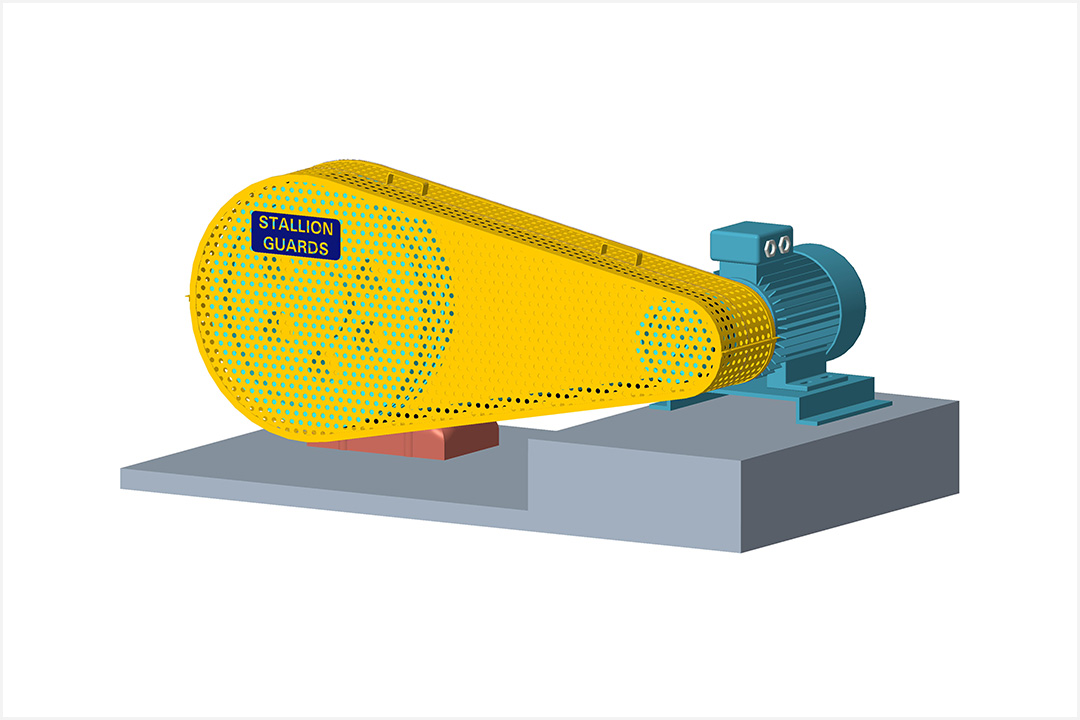
These guards are engineered not just to block access but to integrate with the machine environment: lightweight, easy to remove/replace, good visibility for inspection, designed as “zero‐contact” guarding.


Key Design Features & What to Watch For
To be effective, guarding must go beyond simply placing a cover. Some of the features to look for (and that Stallion Guards promotes) include:
-
360° Zero Contact Guarding – the guard should prevent any contact with rotating parts from any direction. Imimg
-
Hassle‐Free Installation & Maintenance – guards that are heavy/hard to remove or inspect often get bypassed. Good guards enable easy removal for maintenance and re‐assembly. Imimg+1
-
Visibility / Inspection Access – perforated sheets or transparent panels allow inspection without removal of the guard, so you don’t create unnecessary downtime. Imimg
-
Durable material & coating – guards should be made of heavy‐duty steel (or stainless if required) and often powder‐coated for corrosion resistance. Imimg
-
Custom sizing / fit for purpose – since rotating machines vary widely, the guard design must be adaptable to the machine layout, space constraints, and service needs. Stallion emphasises customizing as per customer requirements. Imimg+1
-
Minimal impact on operation – the guard should not hamper maintenance access or airflow/cooling, and should fit within the space constraints of the equipment. Imimg
By specifying these features, companies can reduce the risk of guards being removed/unlocked (which often leads to accidents) and instead build a safe, maintainable machine environment.
The Safety Case & Business Case
Safety First
Exposed rotating parts are among the most serious hazards in an industrial setting. According to safety best-practice documentation, poorly guarded machinery is a leading cause of entanglement, amputation, ejection of parts and other severe injuries. Arnold & Itkin LLP+1
Regulations globally mandate machine safeguarding — for example, the U.S. Occupational Safety and Health Administration (OSHA) 29 CFR 1910.212 covers general requirements for machine guarding. Belt Conveyor Guarding+2houstondynamic.com+2 If a guard is missing, poorly designed, or bypassed, the risks are both human and financial.
Business Value
Beyond safety, good guarding delivers business advantage:
-
Reduced downtime: Exposed equipment is more prone to damage, contamination, foreign-object ingress, and consequently unplanned stops. The right guard helps protect the equipment and environment.
-
Maintenance efficiency: A guard that’s easy to remove, inspect and re-install lowers labour costs and maintenance disruptions.
-
Regulatory compliance: Using compliant guards helps avoid fines, insurance penalties and liability claims.
-
Employee morale & safety culture: Workers feel safer and the organisation demonstrates commitment to safety, which contributes to fewer incidents and higher productivity.
Why Choose Stallion Guards for Rotating Equipment Protection?
Stallion Engineering Solutions (trading as “Stallion Guards”) is based in Gujarat, India (Ahmedabad area) and specialises in machine guarding solutions including rotating equipment guards. stallionguards.com
Here are a few reasons they stand out:
-
Product range: They explicitly recognise belt/chain/gear drive guard, compressor/pump guard, coupling guard, flange bearing guard, pump gland guard etc. stallionguards.com
-
Quality & compliance: They emphasise international quality standards and compliance with safety guarding regulations. stallionguards.com+1
-
Customisation: They offer custom designs for special requirements (material, size, marking, part numbers) so the guard fits the machine layout rather than forcing machine re-arrangement. Imimg
-
Service-friendly design: Their guards highlight features such as handles for easy removal, sectional design for mobility, visibility for inspection. Imimg+1
-
Local presence: Being located in Gujarat makes this convenient for manufacturing, supply and service within India (and potentially for export).
For any industrial plant in India (including Gujarat / Surat region) seeking to upgrade or install rotating equipment guards, Stallion Guards is a viable option.
Implementation Tips: Getting the Most Out of It
Here are practical tips when specifying or installing rotating equipment guards:
-
Start with a risk assessment: Identify all rotating components (shafts, belts, gears, couplings), approach points, nip points, entanglement hazards. Use recognised frameworks. Belt Conveyor Guarding+1
-
Design for both safety and serviceability: Ensure guards don’t create a barrier to maintenance or inspection — it must be easy to remove/re-install while still secure.
-
Choose correct material & finish: For harsh environments (corrosion, high speed, vibration) opt for heavy-duty steel or stainless, powder coating, anti-vibration mounting if needed.
-
Ensure full coverage and no bypass: Guard must prevent access to rotating parts, should have no openings large enough for fingers/limbs, should be secured so it cannot be easily removed without authorised action.
-
Provide visible inspection windows or perforated sheets: So equipment performance can be monitored (e.g., belt condition, lubrication) without entirely removing the guard each time.
-
Label and document: Guards should be marked (e.g., part numbers, machine IDs), and maintenance/inspection routines defined. Stallion Guards mentions marking guards with customer-specific part numbers for easy identification. Imimg
-
Train personnel: Even with guards in place, operators and maintenance crews must be aware of hazards, safe work methods, lockout/tagout (LOTO) before accessing guards.
-
Inspect regularly & maintain condition: A guard that is damaged, cracked, missing fasteners or poorly aligned loses effectiveness — regular checks are essential.
-
Integrate into safety culture: Guarding equipment is part of the larger safety system — policies, training, inspections, near-miss reporting all tie in.
-
Budget for upgrades: If machinery or layout changes, ensure the guards are adapted or replaced accordingly. Don’t assume a once-installed guard is eternal.
The Future of Guarding & Rotating Equipment Safety
As equipment becomes faster, more automated and covers wider power ranges, the guarding challenge evolves. Some trends:
-
Advanced materials: Lighter, stronger materials allow guards that are robust yet easier to handle.
-
Modular designs: Quick-remove sections, flexible mounting to accommodate different machines or retrofit older equipment.
-
Smart monitoring: Guards with built-in sensors (vibration, displacement) might alert when a cover is opened or misaligned.
-
Global standard harmonisation: As industries globalise, machine-guarding standards around the world are converging—facilitating easier compliance and best practices. Belt Conveyor Guarding
In this context, manufacturers like Stallion Guards are well-positioned if they continue to evolve their product designs and service offerings to match these trends.
Conclusion
Rotating equipment is a backbone of industrial processes but also a significant source of risk if not properly guarded. Implementing well‐designed guards is not just about compliance — it’s about protecting people, protecting equipment, maintaining productivity, and supporting a culture of safety.
When selecting a guard supplier, companies should look for manufacturers who understand the full operational environment: the layout, maintenance needs, compliance standards, materials, serviceability, and durability. In that ecosystem, Stallion Guards presents a strong option for rotating equipment guarding in the Indian market, particularly for belt/chain/gear drives, pumps/compressors, couplings and flange bearings.
By combining good engineering, thoughtful design, and proactive maintenance, rotating equipment guarding becomes a strategic investment — not just an afterthought. If you’re planning a guarding upgrade or specifying new machines, start early with risk assessment, involve your safety/maintenance team, pick a trusted supplier, and make sure your guards both protect and support your operations.
The Essential Role of Machine Guarding in Industrial Safety
In the industrial world, machines are the heartbeat of productivity. They shape, cut, weld, assemble, and transport—driving efficiency across factories and workshops. But with such power also comes risk. Moving gears, sharp blades, rotating shafts, and high-speed conveyors can pose serious hazards if not properly managed. That is why machine guarding has become one of the most vital components of workplace safety.
Machine guarding is the practice of installing protective devices—such as barriers, enclosures, or interlocks—around machinery to keep workers safe from moving parts and other dangers. Beyond simply following regulations, investing in effective guarding ensures that employees feel secure, operations remain uninterrupted, and businesses uphold their duty of care.
Why Machine Guarding Is Essential
 Industrial history has shown that unguarded machinery is one of the leading causes of workplace injuries. Common accidents include amputations, crushing injuries, and severe lacerations. Each of these incidents not only affects workers but also disrupts business operations through downtime, investigations, and potential legal consequences.
Machine guarding serves three key purposes:
-
Protecting Workers – The most obvious benefit is reducing the risk of contact with dangerous parts. Guards act as a physical barrier between people and hazards.
-
Regulatory Compliance – Occupational Safety and Health Administration (OSHA) standards in the U.S. and PUWER regulations in the U.K. require machines to be safeguarded. Failure to comply can result in fines, lawsuits, and reputational damage.
-
Boosting Confidence & Productivity – When employees feel safe, they are more focused and efficient, leading to improved overall productivity.
In essence, machine guarding is not just a technical necessity; it is also a strategic investment in the workforce and the business itself.
Stallion Guards: A Reliable Safety Partner
For organizations looking for robust safety solutions, Stallion Guards has positioned itself as a trusted name. Their products focus on delivering a balance between safety, durability, and usability, making them a preferred choice across multiple industries.
Features That Stand Out
-
360° Zero-Contact Design – Ensures no accidental access to moving parts.
-
Ergonomic and User-Friendly – Guards are lightweight, easy to install, and allow visual inspection through perforated panels.
-
Durability – Built from heavy-duty, powder-coated steel, ensuring long service life even in challenging environments.
-
Unique Identifier (UIN) – Every unit is traceable, simplifying audits, maintenance, and compliance checks.
The Advantages
-
Improves workplace safety with comprehensive coverage
-
Saves time through fast installation and simple removal
-
Supports compliance with global safety standards
-
Reduces maintenance delays with inspection-friendly designs
Considerations
-
Customization Needs – Unique machines may require specialized designs.
-
Initial Investment – Premium quality may cost more upfront compared to generic alternatives, but long-term benefits outweigh the cost.
With Stallion Guards, safety doesn’t come at the cost of efficiency. Instead, their design philosophy ensures that protection enhances workflow rather than hindering it.
Types of Machine Guarding
Machine guarding is not a one-size-fits-all solution. Different industrial settings require different guarding techniques:
-
Fixed Guards – Permanent enclosures that prevent access to hazardous parts.
-
Interlocked Guards – Automatically stop the machine when the guard is opened.
-
Adjustable Guards – Can be repositioned to suit various processes.
-
Perimeter Guards – Fencing systems that enclose larger equipment, robots, or automated cells.
Best Practices in Guarding:
-
Guards must not create new hazards (e.g., sharp edges or pinch points).
-
They should be securely attached to withstand vibration and pressure.
-
Machines with movable guards should not restart automatically when reopened; a manual reset is recommended.
-
Regular inspections should be conducted to ensure guards remain effective.
Machine Guarding in the Age of Automation
The modern workplace is evolving. Robotics, AI, and smart monitoring systems are now integral to manufacturing. With greater automation, safety measures must adapt too.
This is where machine guarding integrates with technology. Physical guards protect against immediate contact risks, while digital tools enhance predictive safety. For example, AI-driven workplace monitoring can identify unsafe behaviors or machine malfunctions before they cause accidents. The combination of traditional safety hardware with modern AI insights ensures industries stay productive and compliant in the face of rapid change (CoreGuideAI).
This blending of physical and digital safety represents the future—guarding workers not just against physical harm, but also ensuring a proactive approach to risk management.
Frequently Asked Questions
Q1. What is machine guarding?
Machine guarding is the installation of protective barriers around machines to prevent accidents caused by direct contact with dangerous parts.
Q2. What makes Stallion Guards unique?
They combine ergonomic design, durable build, and traceability features (UIN) that simplify compliance and maintenance.
Q3. Do machine guards slow down production?
No. In fact, they streamline workflow by reducing accidents, downtime, and lengthy maintenance interruptions.
Q4. How often should guards be inspected?
Monthly inspections are recommended, but facilities with high machine usage may require more frequent checks.
Q5. Are Stallion Guards compliant with international standards?
Yes. They are designed in line with OSHA, PUWER, and ISI safety requirements, making them reliable across global operations.
Final Thoughts
Machine guarding is not just a compliance requirement—it is a fundamental commitment to worker safety and organizational efficiency. By preventing accidents, ensuring legal compliance, and creating a culture of trust, it forms the backbone of industrial safety programs.
Stallion Guards has taken this responsibility further by creating products that are not only strong and reliable but also user-friendly and technologically smart. Their guards protect without slowing down operations, ensuring businesses can achieve safety and productivity together.
In a world where industrial growth is tied to both efficiency and responsibility, machine guarding stands as a clear reminder: protecting people is the first step in protecting progress.
Belt Conveyor Guarding: Why It Matters for Workplace Safety
Introduction
Workplace safety isn’t just a regulation—it’s a responsibility. One of the most overlooked areas in industrial environments is belt conveyor guarding. Every year, accidents occur because workers underestimate how quickly a conveyor system can become dangerous. A conveyor belt moves at an average speed of 600 feet per minute—that’s 10 feet per second. In just one second, loose clothing, a hand, or even an entire arm could be drawn into a pinch point. This is why proper conveyor guarding isn’t optional; it’s essential.
Why Do We Need Belt Conveyor Guarding?
Many workers believe guarding is only about compliance—“because the government says so.” But the real reasons are much deeper:
-
Protecting Workers – The primary goal is to keep employees safe from rotating shafts, pulleys, and rollers.
-
Reducing Liability – Accidents result in downtime, lawsuits, and fines. Guarding minimizes risks.
-
Doing the Right Thing – Safety standards exist because someone, at some point, was injured.
-
Beyond the Workplace – The most important reason to stay safe is for life outside of work—family, health, and future.
The Dangers of Conveyor Belts
-
Speed Factor: At 10 feet per second, a worker cannot react fast enough to avoid a hazard.
-
Motor Power: Even small motors can grab clothing or fingers. Larger motors (8 hp and above) can pull a person entirely into machinery.
-
Emergency Pull Cords: While useful, they are not guards. A conveyor may take 25–90 feet to stop even after pulling the cord.
Setting a Guarding Policy
A strong belt conveyor guarding policy should be built on safety laws, standards, and worker participation:
-
Use CSA-Z432 Safeguarding of Machinery guidelines for guard placement.
-
Involve owners, managers, and safety committees.
-
Ensure workers understand why guarding matters.
-
Standardize best practices across all equipment.
Building Effective Conveyor Guards
When designing or installing guards, consider the following:
-
Maintenance-Friendly: Guards should be easy to remove, lightweight (under 50 lbs), and manageable by one person.
-
Durability: They must withstand normal operational forces.
-
Recognition: Guards should be painted safety yellow or another standard “danger” color.
-
Simplicity: Easy to install, easy to inspect.
-
No Added Hazards: Guards should be free from sharp edges, burrs, or pinch points.
-
Standardization: Uniform guard designs make training and installation simpler.
Common Areas That Require Guarding
Not all conveyor parts are equally risky, but some areas demand strict attention:
-
Tail Pulleys – Major pinch point areas.
-
Head, Drive, and Snub Pulleys – Critical moving parts that must be enclosed.
-
Return Rollers – Especially those within 8 feet of the ground or walkways.
-
V-Belts – Can fly off or catch workers unexpectedly.
-
Gravity Take-Up Systems – Counterweights and pulleys need strict guarding.
-
Couplings & Bearings – Rotating equipment parts that can cause serious injuries.
Training: The Key to Safe Workplaces
Installing guards isn’t enough—training completes the system. Workers should clearly understand:
-
How each guard protects them.
-
When and how guards can be removed safely.
-
What to do if a guard is damaged or missing.
Hands-on instruction is crucial to make sure safety isn’t just policy—it’s practice.
Conclusion
Belt conveyor guarding is not about compliance alone; it’s about protecting lives. A well-guarded conveyor system minimizes risks, prevents accidents, and ensures workers return home safely every day. By setting clear policies, building effective guards, and prioritizing training, companies create a culture where safety is more than a rule—it’s a responsibility.
Stay Away, Stay Safe.
The Rise of Zero-Contact Guarding in Industrial Safety

In fast-paced industrial environments, safety is non-negotiable. Factories, manufacturing units, and processing plants involve complex machinery, high-speed components, and continuous human interaction. In such settings, even minor lapses can lead to serious accidents, injuries, or operational downtime.
As the demand for better safety systems increases, one approach has begun to lead the way—zero-contact guarding. This modern technique is not only improving workplace safety but also aligning with global compliance standards. In this article, we explore what zero-contact guarding means, why it matters, and how Stallion Guards is setting new standards in industrial protection.
What is Zero-Contact Guarding?
Zero-contact guarding is a proactive safety design method that completely separates human operators from moving machine components. Unlike traditional guards that only partially block access or rely on warning signs, zero-contact systems create physical barriers that eliminate any chance of human contact with dangerous parts such as belts, pulleys, gears, or couplings.
This guarding strategy is particularly useful in high-risk industrial zones where rotating or reciprocating equipment is used. By creating an enforced physical boundary, zero-contact guarding significantly reduces the chances of injury, improves compliance, and enhances operational efficiency.
Why Is Zero-Contact Guarding Becoming Essential?
1. Eliminates Direct Interaction
Zero-contact guarding ensures that employees cannot come into physical contact with operational machinery during production. This significantly reduces the likelihood of injuries caused by human error, slips, or equipment failure.
2. Ensures Regulatory Compliance
Compliance with safety regulations is mandatory for any industrial plant. In India, organizations must follow safety norms under the Factories Act, OSH India standards, and international ISO guidelines. Zero-contact guarding meets and exceeds these standards, helping companies stay compliant without last-minute audits or fines.
3. Improves Workplace Confidence
When safety systems are visibly robust and well-installed, employees gain confidence in their environment. Zero-contact guarding removes hesitation and fear, allowing workers to focus entirely on operational tasks without worrying about accidental injuries.
4. Reduces Liability and Insurance Costs
Workplace accidents can lead to heavy penalties, legal disputes, and increased insurance premiums. Investing in modern safety systems like zero-contact guards demonstrates due diligence and significantly reduces the organization’s liability.
Industries That Benefit Most from Zero-Contact Guarding
Several industrial sectors can benefit from adopting zero-contact guarding:
-
Automotive Manufacturing: Protection from rotating parts, conveyors, and robotic arms.
-
Cement and Mining Industries: Guards for crushing machines, conveyors, and mixers.
-
Textile and Spinning Mills: Barrier guards for loom and spindle areas.
-
Chemical and Pharmaceutical Plants: Safety covers for process mixers and blenders.
-
Steel and Power Plants: Shields for rolling mills, furnaces, and turbines.
-
Food Processing Units: Hygienic guarding for slicing and packaging machines.
Each of these industries involves high-speed machinery where safety risks are significant. Zero-contact systems provide an effective long-term solution.
Stallion Guards: Leading the Shift Toward Safer Workplaces
Stallion Guards has emerged as a leading name in the field of industrial safety guards in India. Based in Ahmedabad, the company specializes in designing and manufacturing custom-built guarding solutions for a wide range of machinery and environments.
Key Features of Stallion Guards' Safety Solutions
1. Modular Design:
Each guard is engineered for flexibility and adaptability. This makes it easy to install, remove, or replace components based on maintenance schedules without dismantling the entire setup.
2. Ergonomic and Lightweight Materials:
Using lightweight yet durable materials like aluminum, guards are designed to be operator-friendly. This ensures ease of access during equipment servicing without compromising on strength.
3. Inspection-Friendly Design:
Guards are built with perforations that allow visibility into equipment operation. This enables safe inspection and monitoring without removing the protective cover.
4. Unique Identification Numbers (UIN):
Each unit comes with a specific UIN for easy tracking, reordering, or inventory management. This system reduces confusion and streamlines replacement across large plants.
5. Custom Safety Reports and Site Evaluations:
Before installation, Stallion Guards provides a complete risk assessment of the facility. This includes identifying pinch points, high-risk areas, and recommending tailor-made guarding solutions.
Common Types of Industrial Guards Offered by Stallion Guards
1. Rotating Equipment Guards
These guards are designed to cover exposed components such as belt drives, gear assemblies, couplings, and flange bearings. Their purpose is to block human access to moving mechanical parts during operation.
2. Conveyor Guards
Conveyor belts and rollers often pose safety hazards due to their continuous motion. Stallion Guards provides side guards, pulley covers, and return idler shields that prevent accidental entrapment or injury.
3. Workshop Machine Guards
Machines such as lathes, milling machines, and drill presses require specific safety features. These guards ensure operator hands, tools, or clothing do not come into contact with the machine during use.
4. Perimeter and Barrier Guards
Used to create safe zones around hazardous areas, these guards physically separate machinery or automated processes from general foot traffic or operator pathways.
Case Example: Conveyor Guarding in a Packaging Plant
A leading food processing company approached Stallion Guards after multiple near-miss incidents involving unguarded conveyor rollers. After conducting a site audit, Stallion Guards installed over 100 custom-fabricated conveyor guards across the plant.
Post-implementation, the company recorded:
-
A 90% reduction in safety violations
-
Zero incidents involving conveyors in six months
-
Improved safety ratings from third-party auditors
This successful outcome highlights the effectiveness of professional guarding solutions in industrial settings.
How to Implement Zero-Contact Guarding in Your Facility
Implementing zero-contact guarding in your facility can be done in three simple steps:
Step 1: Site Inspection and Risk Assessment
Contact a safety expert to identify high-risk areas and machinery that require guarding.
Step 2: Choose the Right Guard Type
Based on the assessment, select appropriate guarding solutions for each type of equipment.
Step 3: Installation and Training
Ensure guards are installed correctly and train your workforce on their function and purpose.
Stallion Guards supports clients at every step—from assessment to installation and training.
Final Thoughts
Zero-contact guarding is not just an upgrade—it is a transformation in how industries approach workplace safety. By eliminating the risk of physical interaction with machinery, companies can achieve better compliance, fewer accidents, and higher productivity.
As India continues to modernize its manufacturing and processing sectors, adopting advanced safety systems will become the new standard. Stallion Guards is committed to helping industries meet this challenge with precision-engineered, fully compliant guarding solutions.
If your facility still relies on basic or outdated safety systems, now is the time to take the next step.
Contact Stallion Guards
Looking to upgrade your facility’s safety standards?
Website: www.stallionguards.com
Email: info@stallionguards.com
Phone: +91 98255 85606 / +91 70410 64606
Location: Ahmedabad, Gujarat, India
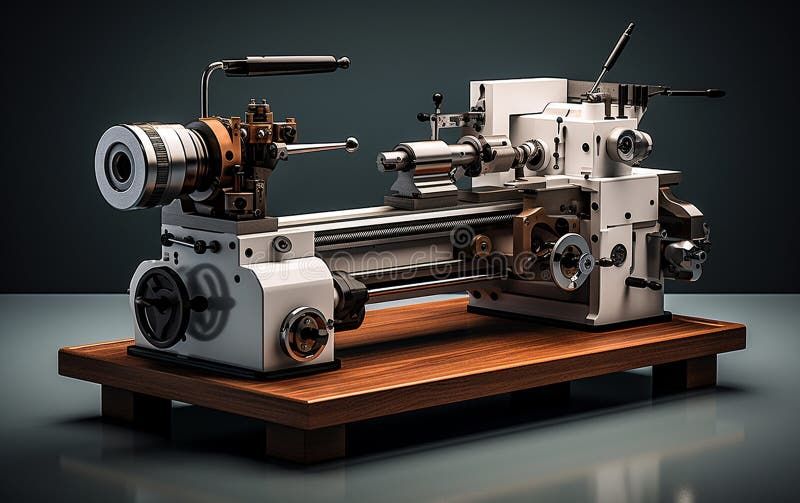
Lathe Machine Guards That Protect What Matters Most
Lathe Machine Guards That Protect What Matters Most
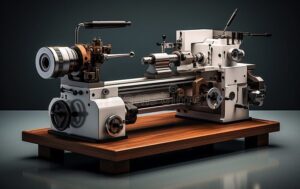
Durable lathe machine guards to protect your operators.
Table of Contents
-
Introduction to Lathe Machine Guards
-
Why Lathe Machine Guards Are Essential
-
Key Features of Reliable Lathe Machine Guards
-
Different Types of Lathe Machine Guards
-
Safety Compliance & Legal Standards
-
Mistakes to Avoid When Buying Lathe Guards
-
Choosing the Right Guard for Your Machine
-
Custom-Engineered Lathe Machine Guards
-
How to Maintain Your Lathe Machine Guards
-
FAQs
-
Why Buy from StallionGuards.com
-
Final Thoughts
1. Introduction to Lathe Machine Guards
Lathe machine guards are a vital part of industrial safety. Whether you’re running a single lathe or a full-scale CNC operation, protecting workers from rotating parts, flying chips, and accidental contact is non-negotiable. A guard is not just a barrier; it's a frontline defense.
2. Why Lathe Machine Guards Are Essential
The lathe is one of the most dangerous machines in any shop. Without proper guards:
-
Operators risk serious injuries from rotating chucks or ejected parts.
-
Workshop owners may face compliance penalties.
-
Downtime due to accidents can be costly.
Installing lathe machine guards means you're investing in the safety and reliability of your production floor.
3. Key Features of Reliable Lathe Machine Guards
When choosing a guard, here’s what to look for:
-
✅ Shatterproof polycarbonate or steel shield
-
✅ Clear operator visibility
-
✅ Hinged or sliding access
-
✅ Interlock systems for power shutoff
-
✅ Compatibility with CNC and manual lathes
All Stallion Guards models include these features and more, designed to meet rigorous safety standards.
4. Different Types of Lathe Machine Guards
There’s no one-size-fits-all in machine guarding. Stallion offers:
-
Chuck Guards: Shield the spinning chuck
-
Tailstock Guards: Cover the tailstock area
-
Slideway Covers: Protect machine bedways from chips
-
Full Enclosures: Best for high-speed CNC operations
-
Magnetic Mount Guards: Ideal for small workshops
Each model is designed to match specific machine configurations and user needs.
5. Safety Compliance & Legal Standards
Using lathe machine guards isn't optional—it’s the law.
-
Follows OSHA 1910.212 guidelines
-
Certified under ISO 23125 standards
-
CE marked for EU compliance
-
Compatible with factory audit requirements
With StallionGuards, your workspace stays protected and compliant.
6. Mistakes to Avoid When Buying Lathe Guards
Too often, safety mistakes begin with poor guard selection:
-
❌ Choosing generic or ill-fitting models
-
❌ Ignoring interlock features
-
❌ Neglecting operator comfort
-
❌ Buying untested imports without safety ratings
Avoiding these errors ensures long-term productivity and peace of mind.
7. Choosing the Right Guard for Your Machine
Here’s how to choose the best lathe machine guards for your needs:
-
Match guard size to your lathe's chuck and bed
-
Choose a swing-open model for high-volume use
-
Opt for interlocks if operating above 1000 RPM
-
Select transparent material for precision visibility
Not sure? Our engineers will guide you with a free machine assessment.
8. Custom-Engineered Lathe Machine Guards
Got a special machine model or setup? We’ve got you covered.
At StallionGuards.com, we provide:
-
100% custom guards based on machine make and size
-
Laser-cut frames and polycarbonate panels
-
Magnetic bases for adjustable protection
-
Fast delivery across India with full documentation
9. How to Maintain Your Lathe Machine Guards
Maintenance ensures your guard remains effective:
-
🧽 Wipe down daily to remove swarf buildup
-
🔧 Test interlock switches monthly
-
🔍 Inspect for cracks, warping, or impact marks
-
🛠 Lubricate moving hinges every 3–6 months
-
🧾 Record maintenance in your safety logbook
10. FAQs
Q: Are your lathe machine guards compatible with old manual lathes?
A: Yes, we offer custom-fit guards for both CNC and legacy machines.
Q: Can I install the guards myself?
A: Many models are DIY-friendly, but we recommend expert installation for interlocked guards.
Q: Do they reduce visibility?
A: No. Our guards are made of clear, shatterproof polycarbonate that offers high visibility.
Q: What if I need a custom size?
A: We specialize in tailor-made safety guards for any lathe setup.
11. Why Buy from StallionGuards.com
-
🛡 100% Safety Standard Compliant
-
🏭 Built for Indian and International Machines
-
🛠 Custom Solutions Available
-
🚚 Fast Nationwide Shipping
-
📞 Dedicated Tech Support
-
🧾 GST Invoice & Installation Assistance
Join 300+ Indian industries already protected by StallionGuards.
12. Final Thoughts
When it comes to industrial safety, lathe machine guards should never be overlooked. These devices act as physical, visual, and regulatory shields—making your shop safer, more compliant, and more efficient.
Let StallionGuards.com protect your operators, machines, and your business. Because in the world of manufacturing, safety isn’t an accessory—it’s a standard.
https://coreguideai.com/